
Finding Peace: When Anxiety Therapy Can Help
If you’re searching for “anxiety therapy near me” at 1 AM because your mind won’t stop racing, or you’ve spent another lunch break googling “anxiety treatment,” you’re not alone. For many, anxiety has become such a constant companion that it feels normal – until it doesn’t.
When Does Worry Become an Anxiety Disorder?
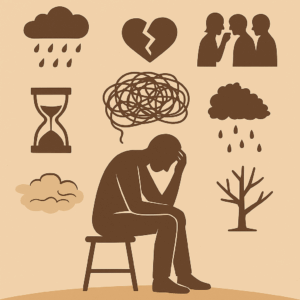
Everyone experiences worry from time to time. But when anxious thoughts begin to interfere with sleep, relationships, work, or daily decision-making, it may indicate more than just everyday stress—it could be a clinical anxiety disorder.
Understanding the signs early can help guide you toward support and treatment that works.
Types of Anxiety Disorders
Mental health professionals recognize several types of anxiety disorders, each with unique symptoms—but they all share one thing: they can significantly impact quality of life without support. Below are four common anxiety conditions that may resonate:
-
Generalized Anxiety Disorder (GAD): Persistent, uncontrollable worry about everyday matters—work, health, finances—even when there’s little reason for concern.
-
Panic Disorder: Recurrent panic attacks marked by sudden waves of intense fear, rapid heartbeat, dizziness, or shortness of breath. These episodes often feel unpredictable and overwhelming.
-
Social Anxiety Disorder: Intense fear of being judged, embarrassed, or rejected in social settings. This isn’t just shyness—it’s anxiety that can lead to isolation or avoidance of everyday interactions.
-
Post-Traumatic Stress Disorder (PTSD): Ongoing anxiety linked to a past traumatic experience. Symptoms may include flashbacks, hypervigilance, emotional numbness, or sleep disturbances.
5 Signs Anxiety May Be Impacting Your Daily Life
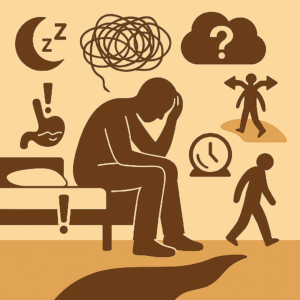
Recognizing how anxiety manifests in your day-to-day experience can help you decide when it might be time to seek support.
1. Disrupted Sleep and Racing Thoughts
If your mind replays old conversations, constructs worst-case scenarios, or refuses to slow down at bedtime, that chronic mental overactivity may be rooted in anxiety—not just an overactive imagination.
2. Overthinking and Decision Paralysis
Does choosing what to eat, wear, or say feel exhausting? Constant second-guessing and fear of making the wrong decision are hallmark signs of anxiety that often respond well to therapeutic intervention.
3. Physical Symptoms Without Clear Causes
Stomach discomfort, headaches, muscle tension, or feeling “on edge” without reason may be your body expressing emotional distress. Anxiety is not just in the mind—it’s often felt in the body, too.
4. Avoidance of People, Places, or Tasks
Do you sidestep conversations, decline invitations, or delay important tasks because they spark anxiety? Avoidance can shrink your world and signal the need for compassionate, structured help.
5. Exhaustion from Constant Mental Monitoring
If managing your thoughts feels like a full-time job—one where you’re always checking, controlling, or overanalyzing—you may be experiencing emotional burnout from untreated anxiety.
What Is Evidence-Based Anxiety Treatment?

Anxiety can feel overwhelming, but healing is possible. Evidence-based therapy offers more than just a space to talk—it provides practical, research-backed strategies that reduce symptoms, build resilience, and help you feel more in control.
Licensed mental health professionals draw from several trusted approaches, each tailored to the needs of the individual:
-
Cognitive Behavioral Therapy (CBT): Helps identify and reshape unhelpful thinking patterns that fuel anxiety. CBT empowers you to challenge intrusive thoughts and gradually face the situations you’ve been avoiding.
-
Dialectical Behavior Therapy (DBT): Focuses on building skills in emotion regulation, distress tolerance, and interpersonal effectiveness. DBT is especially helpful when anxiety is tied to intense emotional fluctuations or self-critical thoughts.
-
Eye Movement Desensitization and Reprocessing (EMDR): Often used for trauma-related anxiety, EMDR helps the brain reprocess distressing memories. This can reduce their emotional charge and support healing without needing to recount every detail.
-
Acceptance and Commitment Therapy (ACT): Guides you in making space for anxious thoughts without letting them dictate your actions. ACT strengthens your ability to stay grounded in the present and take meaningful steps aligned with your values.
These methods don’t take a one-size-fits-all approach. Instead, they’re adaptable and collaborative—meaning your therapy journey is shaped around what matters most to you.
You Deserve Relief—And Support Is Within Reach

Why Mental Health Matters As Much As Physical Health
If you broke your arm, you’d seek medical care without a second thought. So why should emotional pain be any different? Anxiety can quietly disrupt your daily life—affecting your sleep, focus, energy, and relationships. Left unaddressed, it can make even small tasks feel overwhelming. Acknowledging this isn’t a sign of weakness—it’s a powerful step toward healing.
Choosing Therapy Isn’t Giving Up—It’s Showing Up for Yourself
Seeking anxiety therapy is not a failure. It’s a form of self-respect. Therapy offers a safe, nonjudgmental space to understand what you’re experiencing, unpack the roots of your anxiety, and build tools to manage it in daily life. You’re not broken—you’re responding to stress, trauma, or life changes in ways your body and mind have been conditioned to cope.
Therapy for Anxiety: What You Can Expect
With the right support, it’s possible to:
-
Regain clarity and concentration
-
Improve sleep and energy levels
-
Strengthen relationships and communication
-
Restore a sense of control and calm
Therapy is more than symptom relief—it’s about reclaiming your emotional well-being and reconnecting with what matters to you.
You’re Not Alone—Help Is Available